
Loading...
Grounded consumer-response testing
Dr. Evelyn Reed moderates the Panel with more than 20 years of qualitative research method behind her.
Research lives across methods, reports, tables, interviews, panels, markets, and teams. THEUS turns it into one governed base of sourced facts, so every answer can be checked to the page and every gap can be handled on purpose.
For consumer scientists and consumer insights managers working across fragmented, multidisciplinary research.
Five Fortune 500 companies are currently in the THEUS Founding Partner Program, with more joining.


THEUS is in use at numerous Fortune 500 companies.
Normalize raw reports into traceable facts. Every saved document keeps its original file, a readable summary, and its fact base.
Ask analytical questions, surface contradictions and gaps, and open any citation on the page it came from.
Run synthetic experiments on the same governed facts. See which evidence supports a result, and where the panel speaks from persona instead of evidence.
In THEUS, synthetic means synthesized from governed knowledge. The result is a grounded, modeled hypothesis, not field data. The Expert stays evidence-bounded. The Panel speaks in character, and any statement is checkable on demand: supported reasoning traces to source, and when the evidence is silent, THEUS says the answer reflects persona and discussion context.
Consumer_Study.pdf · page 12
Texture was the leading driver of repeat purchase in four of the six segments, ahead of sweetness and protein content.
Texture is the top repeat-purchase driver in 4 of 6 segments.
Dr. Evelyn Reed moderates the Panel with more than 20 years of qualitative research method behind her.
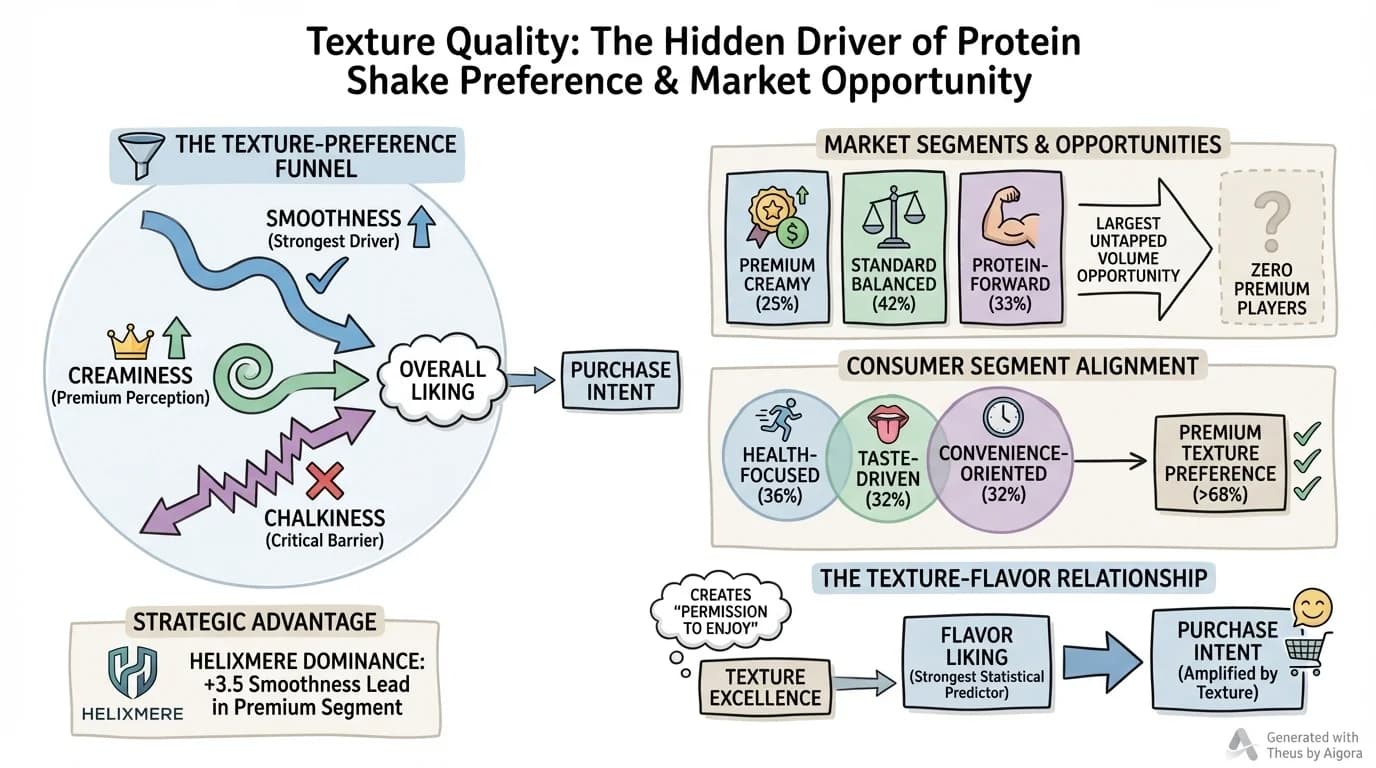
Whiteboard schematics drawn from your Research Base in about 20 seconds.
Your team has run hundreds of studies. The answers are already in your data. THEUS makes them findable.
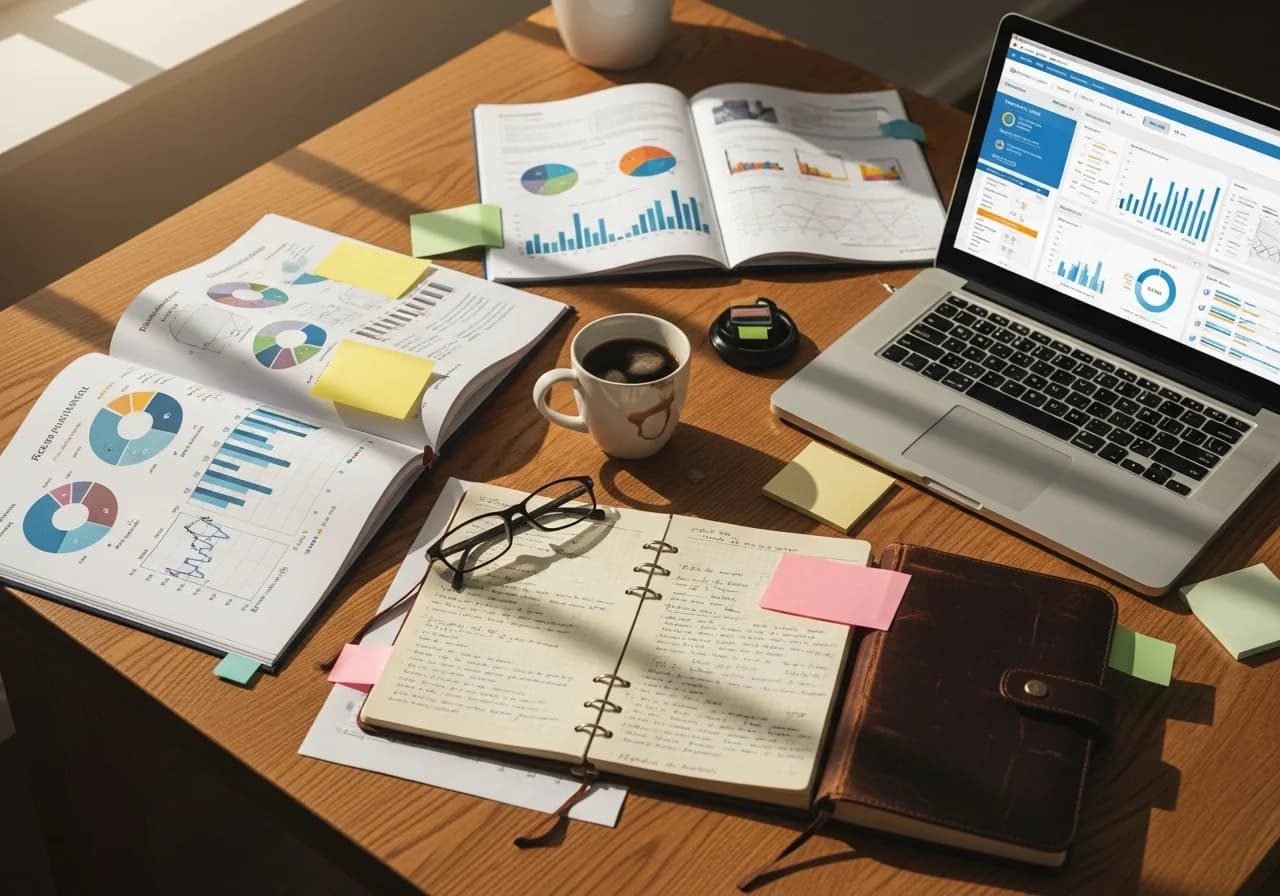
Your research library is scattered across PDFs and PowerPoints that nobody reads twice. THEUS converts those files into a searchable Research Base where every fact has a page-level citation.
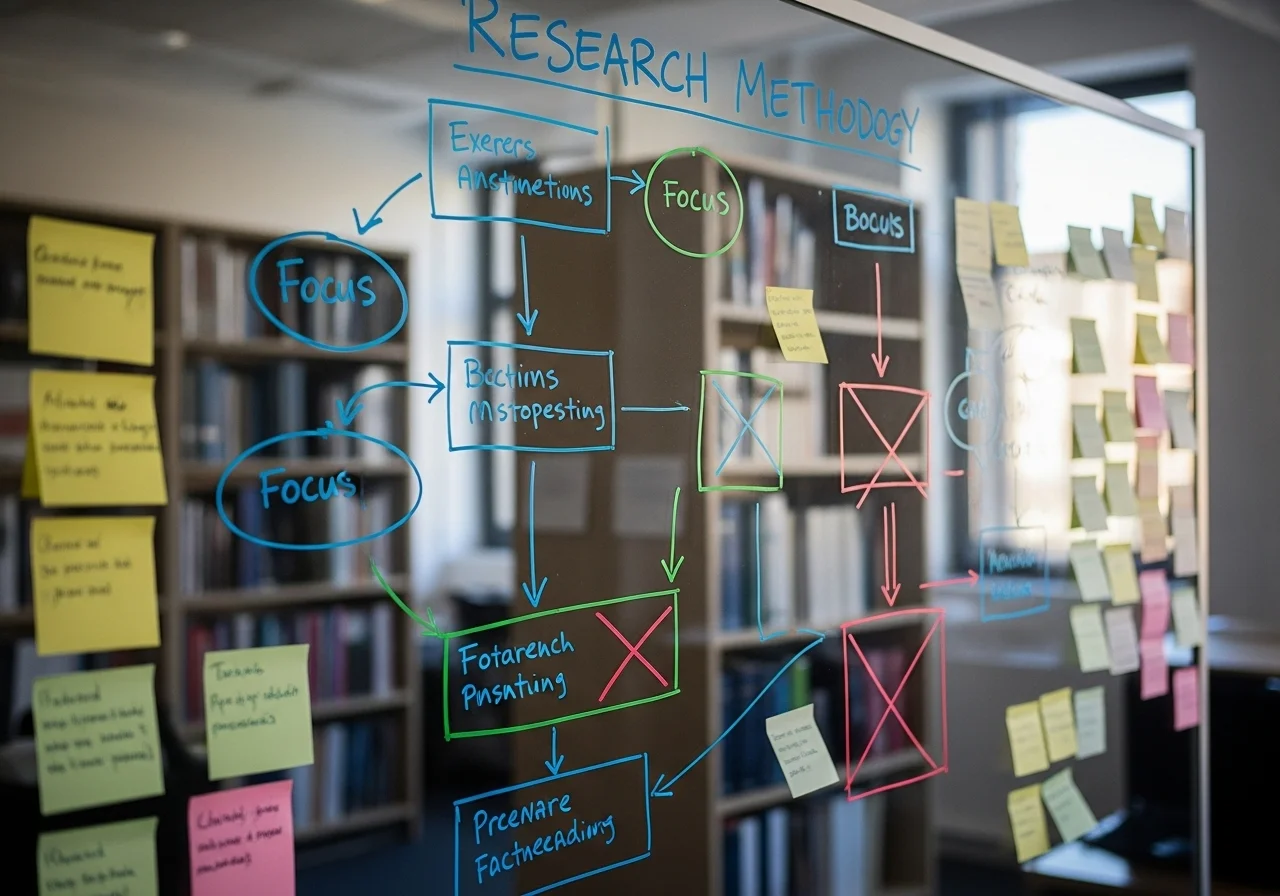
Before commissioning another $200K study, check what you already know. THEUS finds gaps in existing research and tells you where the contradictions are.
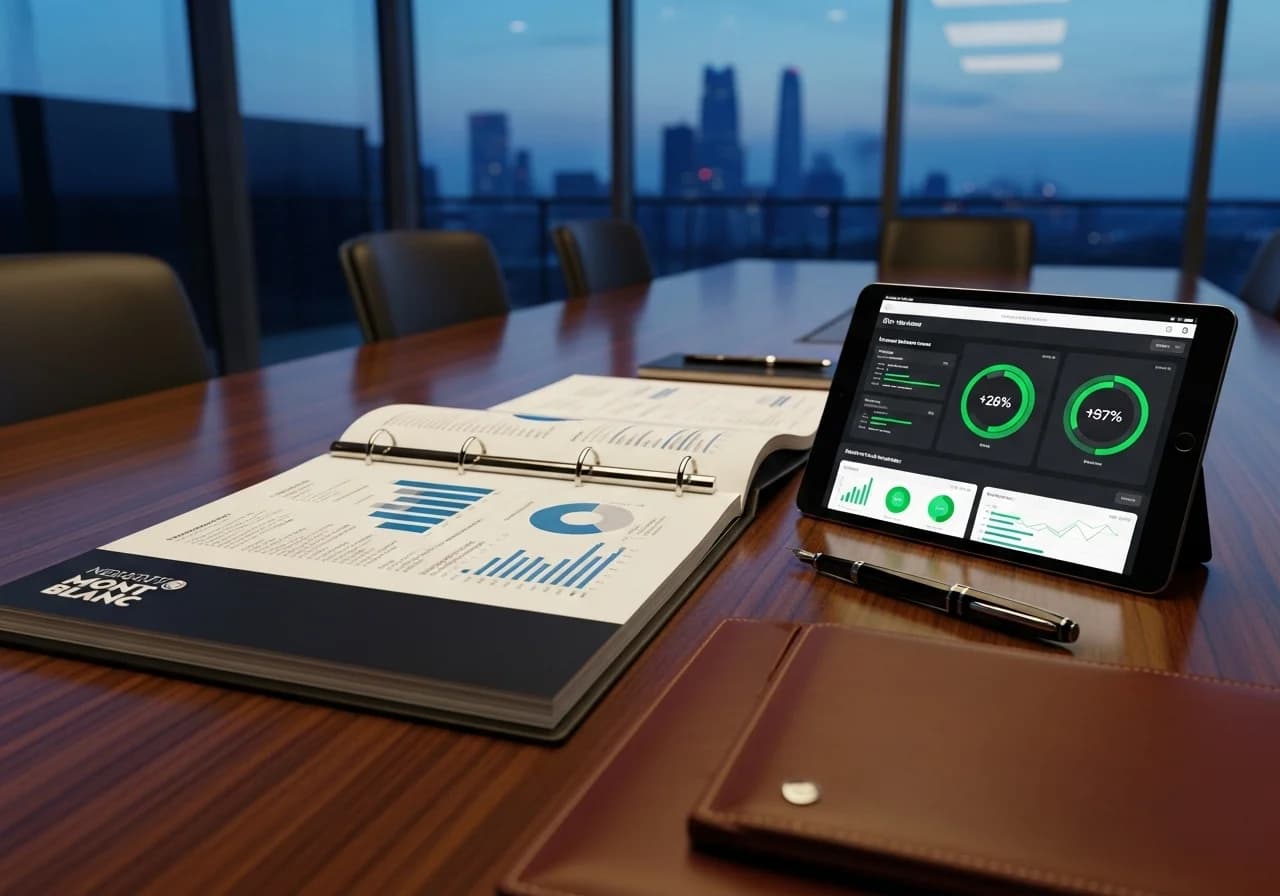
Pressure-test a concept with clearly labeled synthetic hypotheses grounded in governed evidence. Each supported reason traces to your research with Fact IDs and page numbers; the output is not field research.
The four-stage multimodal pipeline (normalize, visual understanding, extract, validate) turns research archives into atomic facts with full statistical context.

Each extracted insight is stored with a persistent Fact ID, atomic granularity, and Statistical Context for direct auditability.
Visuals are interpreted, measured, and converted into searchable facts with Statistical Context, replacing paraphrased summaries.
Every atomic fact includes p-values, confidence intervals, effect sizes, sample sizes, and test names. Verifiable data you can cite and defend.
Every insight links to its source page. Every claim can be audited back to the original document and page number.
Each is useful. Copilot is built for work. NotebookLM is built for source-grounded notebooks. Stravito is built for enterprise consumer intelligence. THEUS is built for the scientific integrity of the research itself.
Work AI
Broad reasoning, search, and productivity across Microsoft 365 work data.
Not built to maintain a scientific evidence model across sensory and consumer studies.
Source-grounded notebook
Strong source-set reading, synthesis, and inline citations that open the supporting context.
Not an organizational workflow for governed contradictions, knowledge gaps, reviewed supplementation, and synthetic-evidence boundaries.
Consumer intelligence platform
Enterprise research discovery, source-cited AI, integrations, and research-grounded personas.
Designed for broad consumer intelligence. THEUS focuses on the scientific integrity of sensory and consumer evidence.
Scientific Research Base
Preserves method, sample, context, statistical structure, contradiction, and exact provenance from evidence through synthetic experimentation.
Built for consumer scientists and consumer insights managers, not a general workplace assistant.
THEUS is built by Aigora, which has worked with Fortune 500 sensory and consumer science teams since 2019.

Founder and President, Aigora
Aigora has been building AI tools for sensory and consumer science since 2019. THEUS is the same methodology, now available as software your whole team can use.
See what THEUS finds in your existing research before you spend on new fieldwork.